
When you’re looking at preschool in Issaquah, you’re really trying to picture how your child will spend the day. Will they find something that catches their interest? Feel comfortable joining other kids? Who will help when they get frustrated or don’t know what to do next?
Montessori and other preschool approaches can look different in their materials, routines, and the choices children make. But “traditional preschool” is a broad label. You’ll get a clearer picture by looking at individual classrooms and asking what actually happens during an ordinary morning.
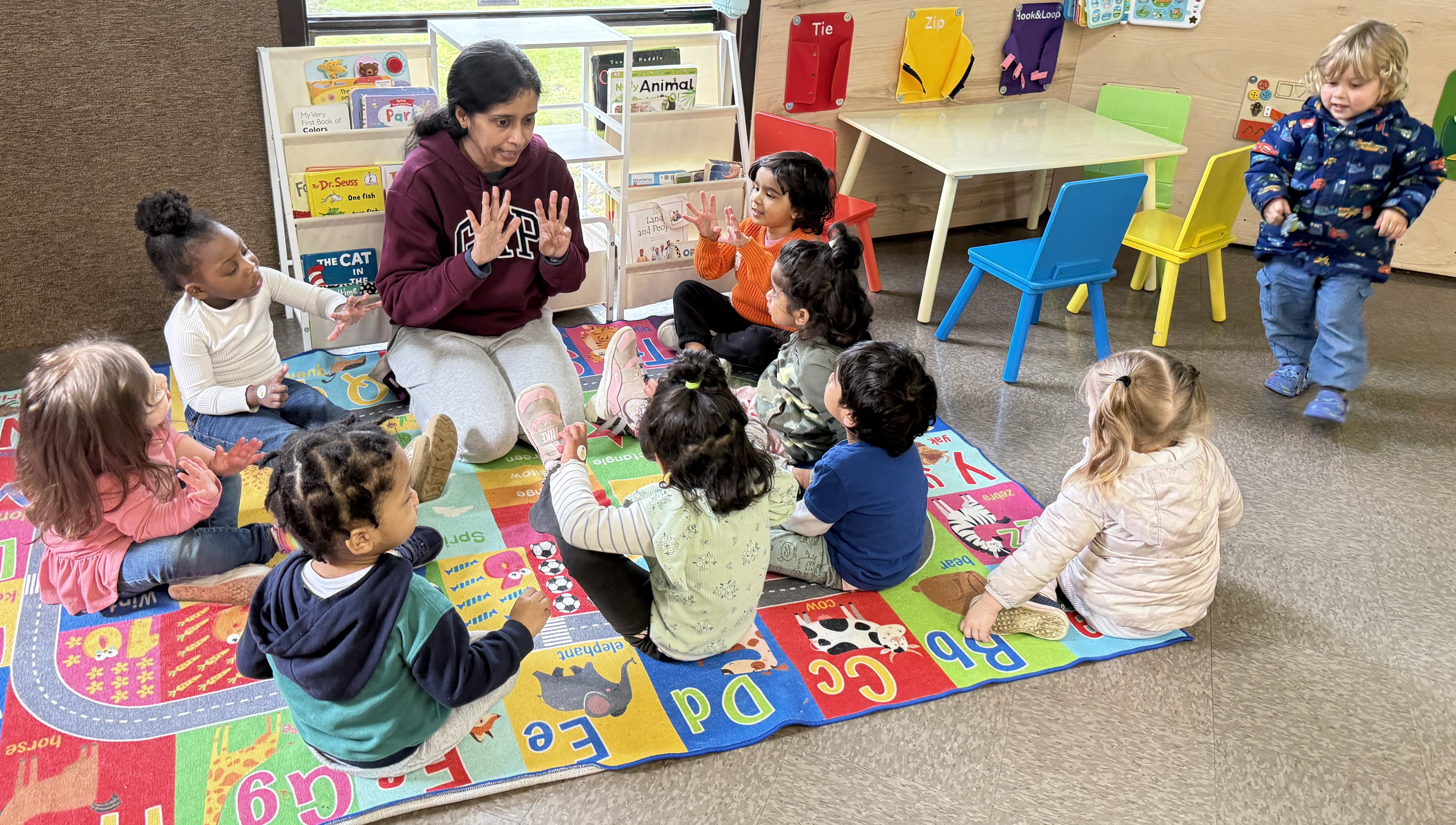
A Montessori classroom is carefully set up with hands-on materials that let children practice independence. Children of different ages learn together, and Montessori-trained teachers guide them through activities. The day includes longer stretches when kids can work without frequent interruptions.
Teachers show children how to use materials, then step back to observe and offer help when needed. Children choose from activities the teacher has prepared and introduced. They can repeat an activity before cleaning up and putting it away.
On a tour, a teacher might show you an activity that involves transferring objects between two containers. A child practices the steps, then returns the tray to its shelf. That’s a general example; ask to see something from the classroom your child would join.
Parents often use “traditional preschool” loosely for almost anything outside Montessori. It might mean a play-based program, a more teacher-led classroom, or a mixture of approaches.
One school might build the morning around learning centers and pretend play. Another might spend more time together as a class, singing songs, listening to stories, or making something with the teacher.
Playful learning takes several forms. Kids might explore on their own, play with a teacher’s guidance, or join a structured game. During guided play, the teacher might offer materials or ask questions that help children explore an idea.
Ask how a particular school mixes those experiences throughout the day. The program’s name is a starting point for the conversation.
In a Montessori room, children choose from whatever tasks have been prepared and presented, with teachers offering lessons and guidance. Ask what happens when a child seems stuck or keeps picking the same thing.
Some different preschools may offer choices at learning centers alongside activities planned for everyone. Find out how flexible those plans are and what happens when a child needs more time.
Montessori materials cover everyday skills, language, math, and exploration through the senses. Ask a teacher to show you a material and explain how children use it. Other programs may have familiar blocks, pretend-play supplies, puzzles, art materials, and games. Get curious about those, too. How does the teacher use them to help children learn?
Montessori includes uninterrupted periods for children to work on what they choose to engage with. Ask where meals, movement, outdoor play, and rest fit around that time.
Other programs may switch activities more often or leave longer stretches for exploration. A sample schedule helps you picture the rhythm. Ask how teachers make transitions easier for children.
Watch how adults introduce something new and respond when a child gets frustrated. Do they offer a demonstration, a prompt, or time to try again? Ask how their help changes as children gain confidence.
Look for chances to talk, create, move, and play together. Ask how art, music, storytelling, imaginative play, and outdoor activities fit into the week.
In Montessori early childhood classrooms, children may work alone or with a partner. They also practice courtesy and share responsibilities for their classroom. Ask the team to walk you through what that looks like.
In a play-based room, you might see kids building together or running a pretend shop. Watch how teachers help children take part and work through disagreements.
A useful question is: “What would you do if my child wanted to join a game but didn’t know how?”
You’ll hear more about the team’s approach from that everyday situation than from a general description of social learning.
Start with what your child already loves and where they need a little help. Perhaps puzzles hold their attention, group activities excite them, or unfamiliar places take some getting used to.
Share those observations with teachers. Ask how they’d welcome your child, help them choose an activity, and respond when something feels difficult.
You don’t have to decide on one personality trait. Children enjoy different experiences, and their preferences can change.
If your child has a specific communication or care need, talk about it early. Find out what support the school can offer and how teachers would keep you informed.
Here are a few useful things to ask while you’re on the tour:
You’ll also want to cover schedules, safety procedures, tuition, and enrollment terms. Our daycare tour checklist can help with those details. After each visit, jot down examples of what you saw and heard while they’re still fresh.
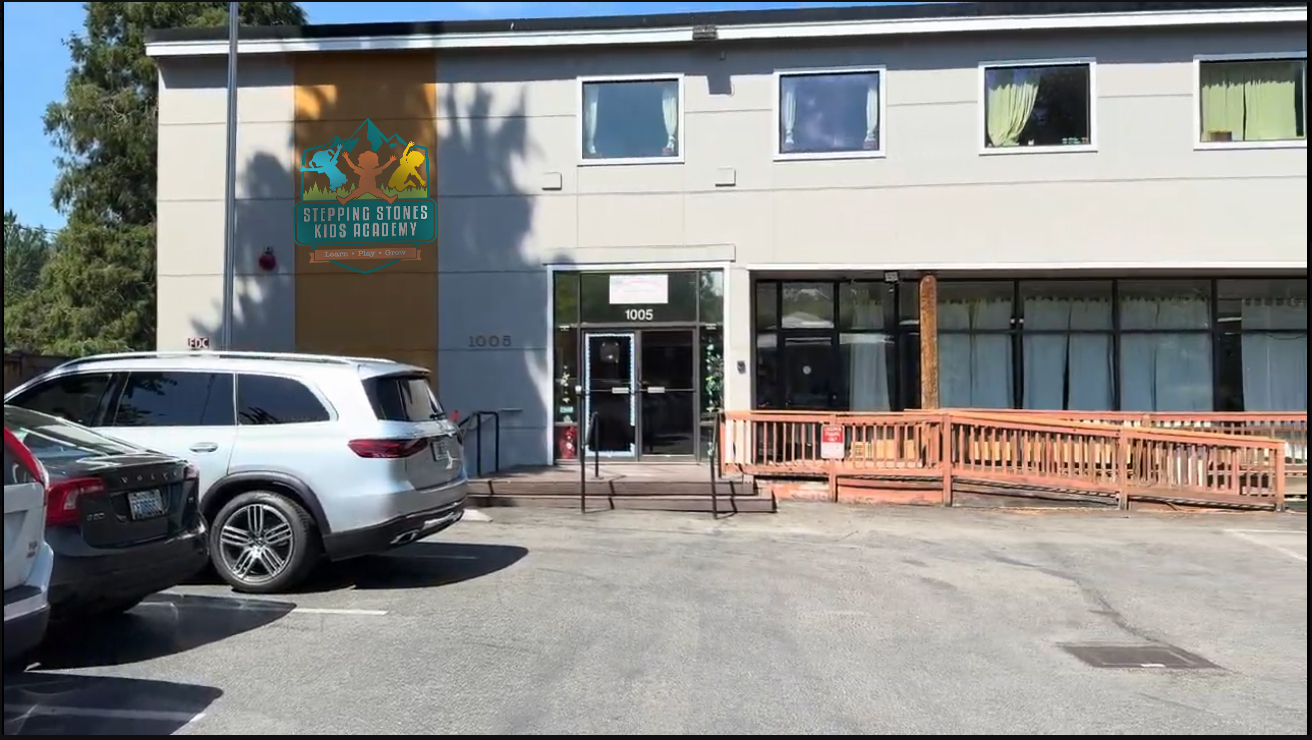
Stepping Stones Kids Academy has Montessori campuses in Issaquah and Redmond, with Montessori-inspired instruction at its Everett and Tacoma locations.
Families exploring a Montessori preschool in Issaquah can contact the academy to request a tour and discuss current program details. Ask the team to explain classroom activities, teacher guidance, and the daily routine for the program you’re considering.
 What To Look For When Choosing a Daycare in IssaquahWhat is the Difference Between a Montessori School vs. a Typical Preschool?